Peugeot 408 Engine and Performance Review
Every Peugeot 408 powertrain explained, from the PureTech 130 to the plug-in hybrids and electric E-408, with official handbook power and towing figures.
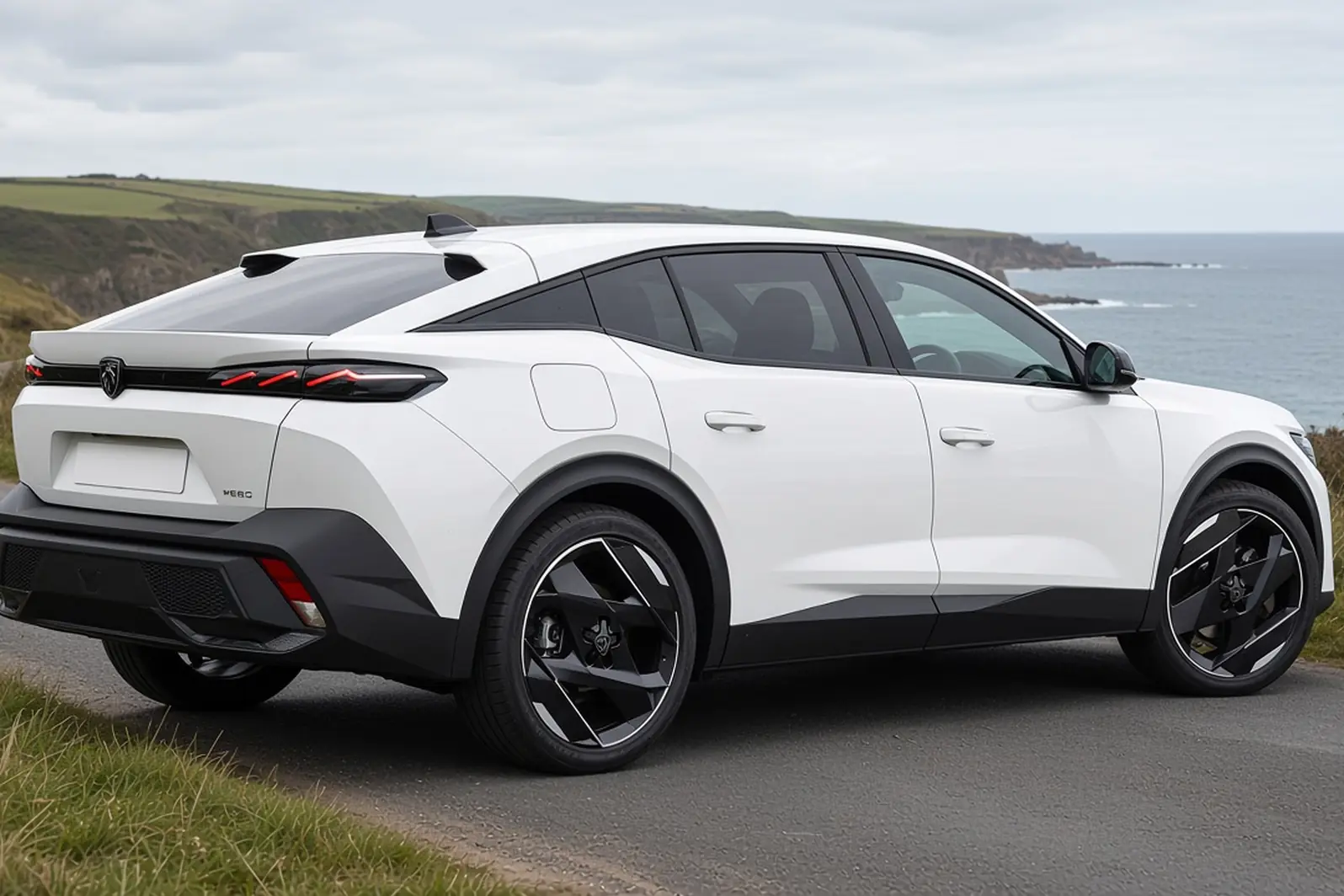
The Peugeot 408 is hard to categorise: part fastback saloon, part crossover. Its engine range is just as varied, with conventional petrol, a 48-volt hybrid, two kinds of plug-in hybrid and, more recently, the fully electric E-408. The name has been around since 2010 on a saloon sold in Asian markets, but the car covered here is the European-market fastback launched in 2022.
This guide gives you the whole line-up and looks closely at the petrol PureTech 130. For an in-depth look at the plug-ins, see our Peugeot 408 hybrid engine and performance review.
Every 408 Powertrain at a Glance
Taken from the "Engines and towed loads" pages of the English Peugeot 408 owner's handbook. Which versions you could buy depended on the country.
Scroll the table sideways.
| Version | Gearbox | Petrol engine | Electric motor | Battery | Max/combined power | Braked trailer |
|---|---|---|---|---|---|---|
| PureTech 130 S&S | EAT8 automatic | 1,199 cc, 96 kW | - | - | 96 kW | 1,200 kg (accessory towbar) / 1,350 kg (factory towbar) |
| PureTech 215 | EAT8 automatic | 1,598 cc, 158 kW | - | - | 158 kW | 600 kg |
| Hybrid 136 e-DCS6 | 6-speed electric dual-clutch | PureTech 136, 1,199 cc, 100 kW | 21 kW | 48 V, 0.9 kWh | - | 1,300 kg |
| Plug-in Hybrid 180 e-EAT8 | 8-speed electric automatic | PureTech 150, 1,598 cc, 110 kW | 81 kW | 12.4 kWh | 133 kW | 1,400 kg |
| Plug-in Hybrid 225 e-EAT8 | 8-speed electric automatic | PureTech 180, 1,598 cc, 132 kW | 81 kW | 12.4 kWh | 165 kW | 1,400 kg |
| Plug-in Hybrid 225 e-DCS7 | 7-speed electric dual-clutch | PureTech 180, 1,598 cc, 132 kW | 92 kW | 17.2 kWh | 165 kW | 1,290 kg |
| E-408 (EV 210) | Single speed | - | 157 kW / 210 hp | 60 kWh | 157 kW | Not permitted |
All the combustion-engined and hybrid versions have a 70 kg maximum nose weight. Braked trailer weights apply to a 10-12% gradient and within the gross train weight limit.
There's no diesel 408.
The PureTech 130: The Core Petrol Engine
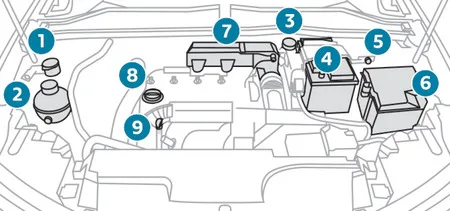
In many markets the 1.2-litre PureTech 130 with the EAT8 automatic was the only 408 on sale, typically in Allure and GT trims. It's a turbocharged three-cylinder, the same basic engine used across the Peugeot range.
Peugeot brochure figures (2024 model year):
Scroll the table sideways.
| PureTech 130 EAT8 | |
|---|---|
| Capacity | 1,199 cc |
| Power | 130 PS at 5,500 rpm |
| Torque | 230 Nm at 1,750 rpm |
| 0-62 mph (0-100 km/h) | 10.4 seconds |
| Top speed | 210 km/h (about 130 mph) |
| WLTP fuel use, low/medium/high speed | 7.3-7.4 / 6.1-6.2 / 5.2-5.3 l/100 km |
The torque figure matters more than the headline power. Because peak torque arrives at just 1,750 rpm, the 408 pulls well from low speeds and doesn't need revving hard in everyday driving. Ten seconds to 62 mph won't excite anyone, but with eight ratios the EAT8 automatic keeps the engine in its sweet spot and cruises quietly at motorway speeds.
What About the Hybrids?
The plug-in hybrids are the performance choice in the 408 range and the most tax-efficient choice for company-car drivers in the UK. The 12.4 kWh e-EAT8 versions pair a 1.6-litre petrol engine with an 81 kW electric motor. The later e-DCS7 version gets a larger 17.2 kWh battery and a more powerful 92 kW motor. Our 408 hybrid guide covers acceleration, electric-only driving, charging times and drive modes.
The Hybrid 136 is a different kind of car altogether. It's a self-charging mild hybrid that you never plug in. Its small 48-volt battery helps the petrol engine in town and allows short spells of electric running at low speeds.
Towing With a 408
If you tow a caravan or trailer, the handbook figures above matter:
- The plug-in hybrids with the 12.4 kWh battery have the highest braked limit in the range, at 1,400 kg.
- The PureTech 130 can pull 1,350 kg if the towbar was fitted at the factory, but only 1,200 kg with an accessory towbar.
- The PureTech 215 is limited to 600 kg.
- The E-408 isn't approved for towing at all.
PureTech Care Tips
The 1.2 PureTech rewards careful ownership. Stick to the service schedule, use the oil specification in your handbook and check the oil level regularly. If a warning light comes on, our guides to 408 red warning lights and orange warning lights explain what to do.
The Bottom Line
For most private buyers, the PureTech 130 automatic is a sensible, economical choice that suits the 408's relaxed character. If you want more performance, or can charge at home and want low running costs, the plug-in hybrids are the better buy. And if you're ready to go fully electric, the E-408 is the version to look at.
For design, interior and practicality, read our Peugeot 408 review.
Related guides
Most car buyers find the plug-in hybrid label confusing. Is it an electric car? Do you have to plug it in? With the Peugeot 408, the answers are "partly" and "you should". The two plug-in versions, the Hybrid 180 and...
The 408 uses Peugeot's latest i-Cockpit layout: a compact steering wheel, a digital instrument panel that sits above it and a 10-inch touchscreen with i-Toggle shortcuts. This guide helps you get the most from it, from...
On the 408, the warning lamps get all the attention, but the service, oil, temperature and hybrid readouts on the digital panel are just as useful. They give you early notice of what the car needs, so you can book a...