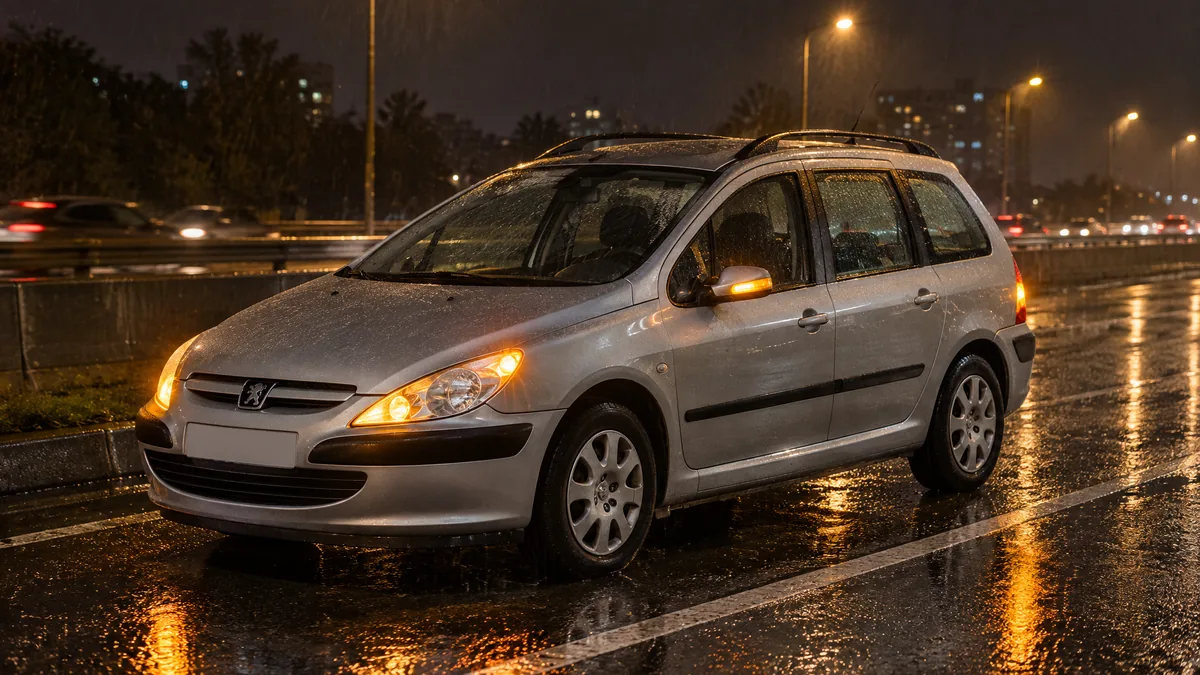
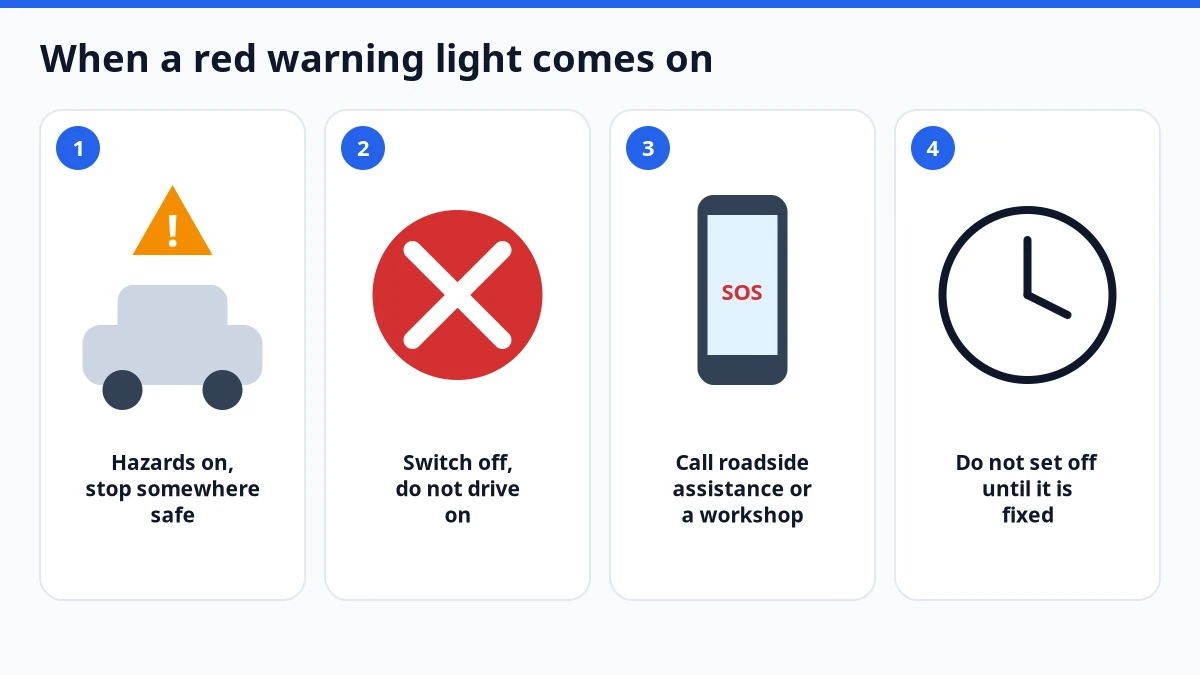
Red warning lamps on your instrument panel are the ones to take most seriously. They point to problems that can affect your safety or cause serious damage to the engine, so in most cases the handbook tells you to stop straight away.
This guide covers the Peugeot 307 SW built from 2002 to 2005. It is based on the handbook edition for cars produced from July 2004. Some lamps only appear on certain versions or with certain equipment, so your car may not have every one listed here.
Quick Reference
Scroll the table sideways.
Warning
Urgency
In short
Central STOP warning light
Stop safely, get help
Flashing with engine running: stop immediately
Engine oil pressure warning light
Stop safely, get help
Oil pressure too low, stop immediately
Diesel engine low coolant level warning light
Stop safely, get help
Coolant level low, stop and let cool
Handbrake and low brake fluid level warning light
Stop safely, get help
Handbrake on, low fluid or braking fault
Coolant temperature indicator
Stop safely, get help
Engine too hot, stop immediately
Central STOP warning light
This is the main STOP lamp on your instrument panel. It comes on each time you switch on the ignition. It works together with the engine oil pressure, low coolant level, brake fluid level and electronic brake force distribution fault lamps, as well as the coolant temperature gauge.
What to do:
If it flashes while the engine is running, stop immediately, as long as it is safe to do so.
Contact a PEUGEOT dealer.
Engine oil pressure warning light
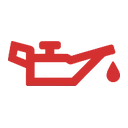
This is the oil pressure symbol on your instrument panel. It works with the central STOP lamp. If it comes on while the engine is running, you also hear a warning sound and see the message "Oil pressure insufficient" on the multi-function display.
What to do:
Stop immediately, somewhere safe.
If the oil level is low, top up the engine oil.
Contact a PEUGEOT dealer without delay.
Diesel engine low coolant level warning light
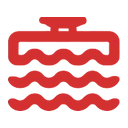
This is the low coolant level symbol on your instrument panel, used on diesel engines. It comes on for about 3 seconds each time you switch on the ignition. If it lights up at other times, it works with the central STOP lamp and comes with a warning sound and the message "Top up engine coolant level" on the multi-function display.
What to do:
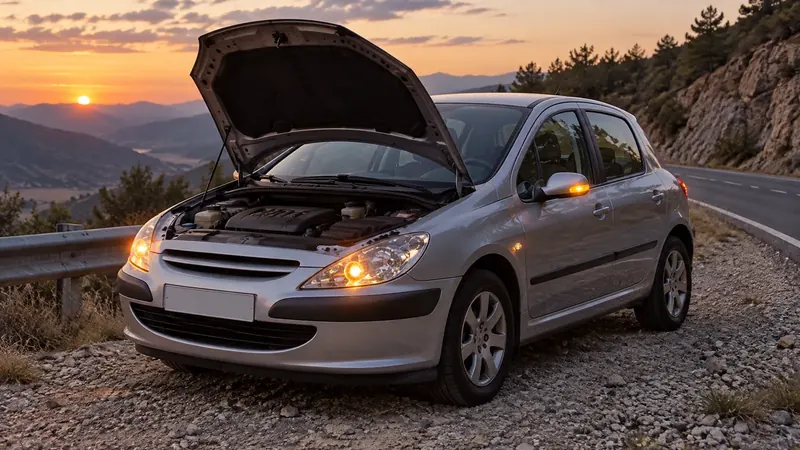
Stop immediately, somewhere safe.
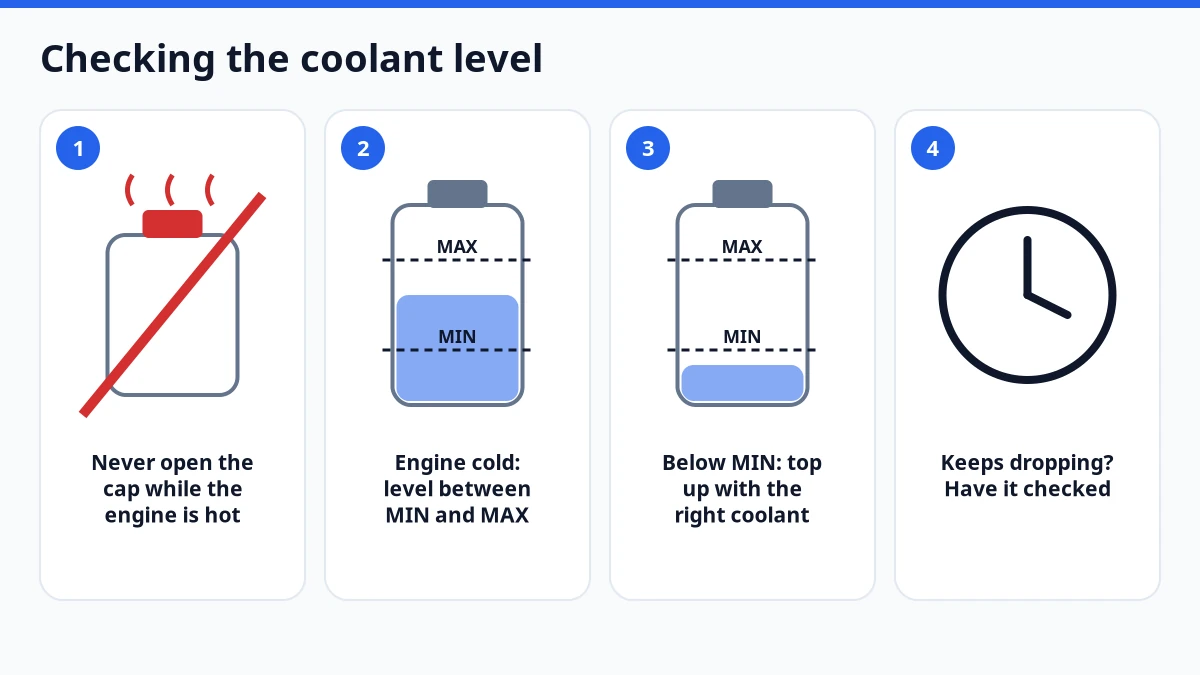
Let the engine cool down before you top up the coolant.
Take care: the cooling system is under pressure.
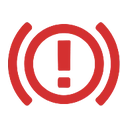
Handbrake and low brake fluid level warning light
This is the braking symbol on your instrument panel. It comes on each time you switch on the ignition and works with the central STOP lamp. When it lights up, you hear a warning sound and a message on the multi-function display tells you the cause: "Handbrake on", "Brake fluid level low" or "Braking fault". With a braking fault, the ABS lamp comes on at the same time, showing a fault in the electronic brake force distribution (EBFD).
What to do:
If the message says "Handbrake on", the handbrake is applied or has not been fully released:
Release the handbrake fully.
If the message says "Brake fluid level low", the lamp stays on even with the handbrake released because the brake fluid level has dropped too far:
Stop somewhere safe.
If the message says "Braking fault" and the ABS lamp is on as well, there is a fault in the EBFD:
Stop immediately, somewhere safe.
Contact a PEUGEOT dealer.
Coolant temperature indicator
This is the coolant temperature gauge on your instrument panel. When the needle is in zone A, the temperature is correct. When it reaches zone B, the temperature is too high: the central STOP lamp flashes, you hear a warning sound and the message "Engine coolant temp. too high" appears on the multi-function display.
What to do:
Stop immediately, somewhere safe, and wait for the engine to cool before topping up the coolant.
The cooling system is under pressure: to avoid scalding, unscrew the cap two turns and let the pressure drop, then remove the cap and top up the coolant.
Contact a PEUGEOT dealer.
If You're Not Sure
If a red lamp comes on and you are not sure what it means, stay calm, stop somewhere safe and check the message on the multi-function display. If you are still unsure, contact a PEUGEOT dealer before you drive on.
Red lamps are your 307 SW's way of telling you something needs attention now. Knowing what each one means helps you react quickly and keeps you and your car safe on the road.
Red warning lights on your Peugeot 307 point to something that needs your attention straight away. Several of them work together with the central STOP light, and many tell you to stop the car immediately.
Orange warning lamps on your Peugeot 307 flag a fault in one of the car's systems or tell you about something that needs your attention. Many come on briefly when you switch the ignition on and then go out, so...
Green and blue lamps on your dashboard are information lamps. They tell you that a system or programme is switched on, so they are not normally a sign that something is wrong.