Peugeot 308 Engine and Performance Review
Peugeot 308 engines compared: PureTech 130, BlueHDi 130, Hybrid 136, plug-in hybrids and e-308, with official power, towing data and economy advice.
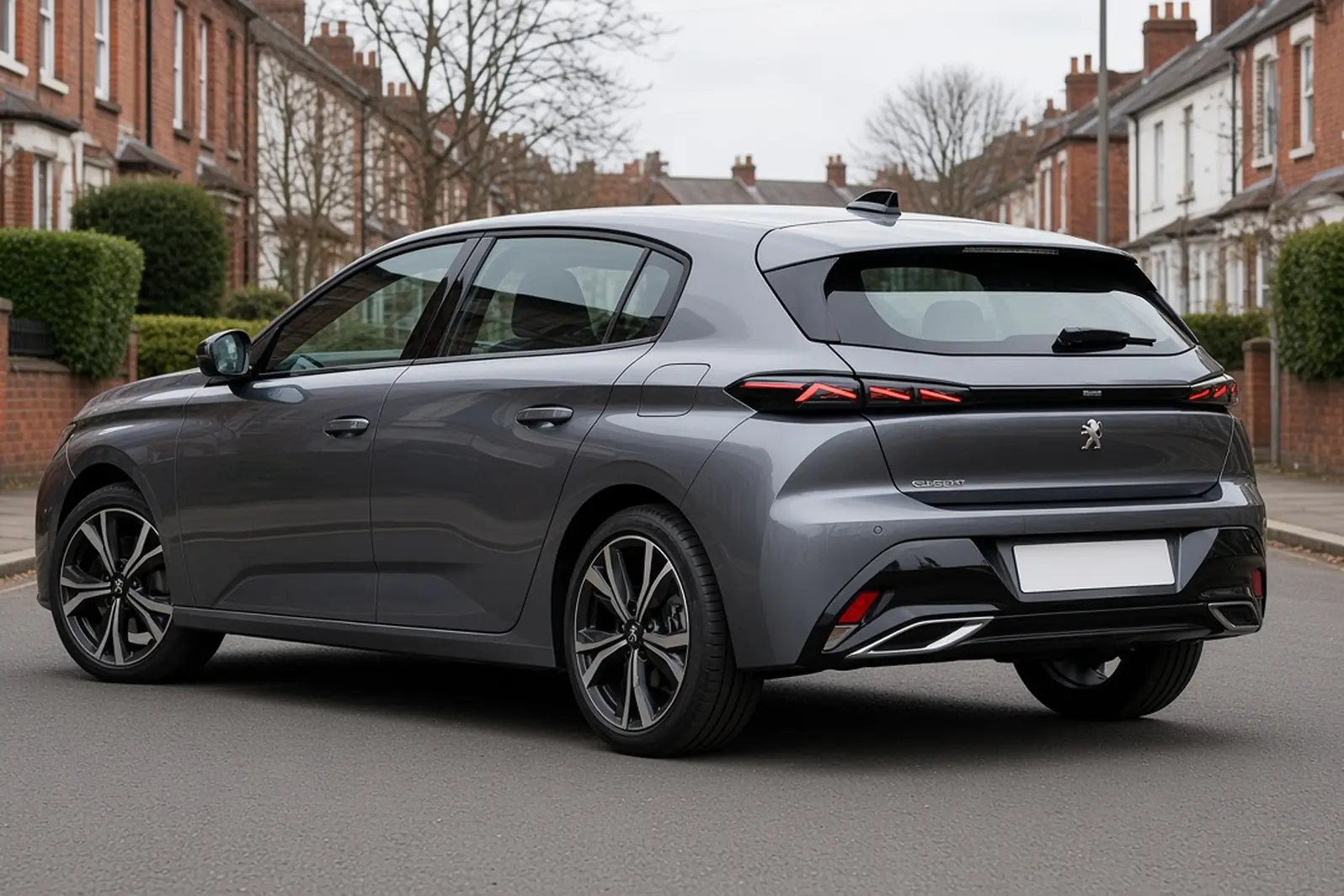
Choosing an engine for a Peugeot 308 used to be simple: petrol or diesel. The third-generation car (2021 onwards) offers a much wider spread, from a three-cylinder turbo petrol to a 48-volt hybrid, two generations of plug-in hybrid and a fully electric e-308. Here's how they compare, based on the official English-language owner's handbook, plus practical advice on which to pick.
Official Engine Data (Third-Generation 308)
The figures below come from the 2023 edition of the Peugeot 308 owner's handbook. Availability varied by market, and most engines were offered in both hatchback and SW estate body styles.
Scroll the table sideways.
| Engine | Gearbox | Capacity | Max power (EC) | Max braked trailer* |
|---|---|---|---|---|
| PureTech 130 S&S | 6-speed manual or EAT8 automatic | 1,199 cc | 96 kW | 1,200-1,400 kg |
| BlueHDi 130 S&S | EAT8 automatic | 1,499 cc | 96 kW | up to 1,550 kg |
| Hybrid 136 e-DCS6 | 6-speed electric dual-clutch | 1,199 cc | 100 kW + 21 kW electric | 1,100-1,150 kg |
| Plug-in Hybrid 180 e-EAT8 | 8-speed electric automatic | 1,598 cc | 133 kW combined | 1,450-1,500 kg |
| Plug-in Hybrid 225 e-EAT8 | 8-speed electric automatic | 1,598 cc | 165 kW combined | 1,450-1,500 kg |
| Plug-in Hybrid 195 e-DCS7 | 7-speed electric dual-clutch | 1,598 cc | 143 kW combined | 1,315-1,360 kg |
| Plug-in Hybrid 225 e-DCS7 | 7-speed electric dual-clutch | 1,598 cc | 165 kW combined | 1,315-1,360 kg |
| e-308 (EV 156) | Single-speed | - | 115 kW (156 hp) | Towing not permitted |
*Braked trailer weights apply on a 10-12% gradient within the gross train weight and vary by body style, emissions standard and whether a towbar was factory-fitted or added later. Check your car's registration document or manufacturer's plate for its exact limits. The maximum nose weight is 70 kg for the petrol, diesel and hybrid versions.
Which 308 Engine Is Right for You?
PureTech 130: the default choice
The 1.2-litre three-cylinder turbo petrol is the engine most 308s have. With 130 hp and 230 Nm of torque, it's lively enough for a family hatchback and pairs well with the EAT8 automatic. In some markets it was the only engine on sale. If you're buying one, read the PureTech ownership notes below.
BlueHDi 130: the long-distance diesel
The 1.5-litre four-cylinder diesel also produces 130 hp, but with 300 Nm of torque it pulls harder from low revs and is the most economical choice on long motorway runs. It's also the strongest tower in the range: up to 1,550 kg braked on the hatchback according to the handbook.
Hybrid 136: for stop-start commuters
This 48-volt hybrid combines a PureTech 136 petrol engine with a 21 kW electric motor integrated into a six-speed dual-clutch gearbox and a 0.9 kWh battery. It doesn't plug in; it harvests energy when slowing down and uses it to assist the engine, helping economy in town traffic.
Plug-in hybrids: best if you can charge at home
The 1.6-litre plug-in hybrids pair a PureTech 150 or 180 petrol engine with an 81 kW electric motor. Earlier versions use the e-EAT8 automatic and a 12.4 kWh battery; later versions switch to a seven-speed dual-clutch (e-DCS7) and a larger 17.2 kWh battery for more electric range. See our Peugeot 308 hybrid engine review for the details.
e-308: fully electric
The electric 308 uses a 115 kW (156 hp) motor and a 51 kWh battery. It supports home charging (Mode 2), wallbox and public AC charging (Mode 3, single- or three-phase) and DC rapid charging (Mode 4).
Performance and Economy Figures
The following figures come from older brochure data. Some relate to the previous-generation 308 (which also offered a 1.6 BlueHDi 120 diesel), so treat them as a guide rather than a current specification.
Scroll the table sideways.
| Engine | Torque | 0-100 km/h (0-62 mph) | Combined fuel |
|---|---|---|---|
| 1.2 PureTech 130 EAT8 | 230 Nm | 9.7 s | 5.0-5.1 l/100 km |
| 1.5 BlueHDi 130 EAT8 | 300 Nm | 9.4 s | 4.1 l/100 km |
| 1.6 BlueHDi 120 (previous generation) | 300 Nm | 9.5 s | 3.7 l/100 km |
Under the WLTP test, the PureTech 130 automatic was rated at 7.2-7.4 l/100 km at low speeds, falling to 5.0-5.1 l/100 km at higher, steadier speeds, with a combined figure of 5.8-5.9 l/100 km and CO2 emissions of 130-134 g/km. The BlueHDi 130 automatic was quoted at 96 g/km of CO2. As always, real-world consumption depends on how and where you drive.
Gearboxes and Efficiency Tech
The EAT8 eight-speed automatic replaced the older EAT6 and is one of the 308's strengths: shifts are quick and smooth, and the extra ratios help keep revs and fuel use down. A six-speed manual remained available with the PureTech 130 in some markets.
All combustion versions have Stop & Start, which switches the engine off when you stop in traffic and restarts it instantly when you move off. A drive mode selector lets you choose a more economical or more responsive setting, and the electric parking brake frees up space in the cabin. Diesel models use BlueHDi technology, including AdBlue injection, to meet Euro 6 emissions standards.
PureTech Ownership Tips
The 1.2 PureTech rewards careful ownership. Some earlier engines suffered premature wear of the oil-immersed timing belt, along with higher oil consumption and carbon build-up on the intake valves. To keep yours healthy:
- Follow Peugeot's service schedule and use the specified oil grade
- Check the oil level regularly between services
- Drive gently until the engine has warmed up
- Have the air filter, water pump and belts checked at the recommended intervals
- Keep tyres at the correct pressure for the best economy
If a warning light comes on, our guides to Peugeot 308 red warnings and orange warnings explain what to do.
Our Verdict
For most buyers the PureTech 130 automatic is the natural choice: smooth, adequately quick and widely available. High-mileage drivers and anyone towing should look at the BlueHDi 130, while those who can charge at home will get the most from a plug-in hybrid or the e-308. Whichever you choose, the EAT8 gearbox makes the 308 an easy and refined car to drive.
Read our full Peugeot 308 review for everything beyond the engine bay.
Related guides
"Hybrid" covers a lot of ground in the current Peugeot 308 range. On a hatchback or SW badged Hybrid 136, it means a self-charging petrol car with a small electric boost. On a Plug-in Hybrid 180, 195 or 225, it means a...
The third-generation 308 moved almost everything onto screens: a digital instrument panel and a 10-inch touchscreen with configurable "i-Toggle" shortcuts. Once you know where things are, it's quick to use. This guide...
The 308's digital instrument panel shows a lot more than speed and revs. Alongside the warning lamps there are status readouts for servicing, oil level, engine temperature, AdBlue (on diesels) and, on plug-in hybrids...