Peugeot 3008Updated 7 min read

Peugeot 3008 III Tyre Pressure and Warning Reset

Where the Peugeot 3008 III tyre-pressure label is, how to reset the under-inflation warning, and what to know about snow chains or socks on winter tyres.

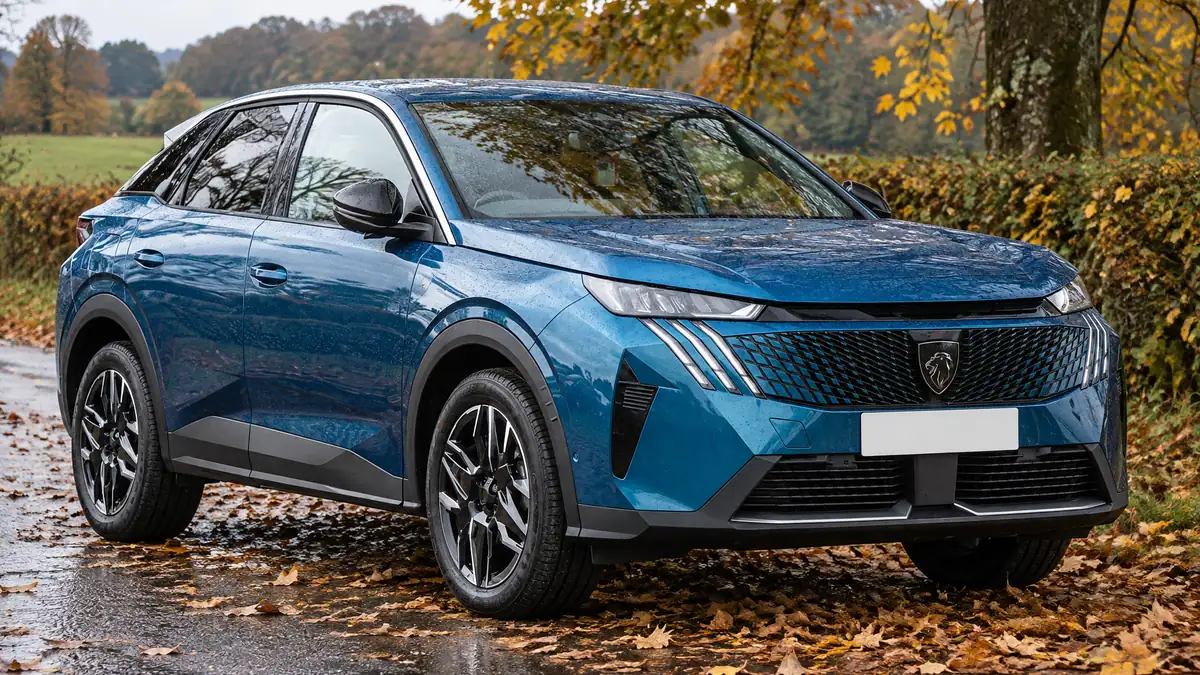
Peugeot 3008 (2024-2025) on a leafy autumn road with the front tyre in focus
Image adapted from a photo by Harvey Bold, CC BY 4.0.

Hello and welcome. In this post, we'll look at where to check tyre pressures and how to reset the under-inflation warning on the Peugeot 3008 III (2024-2025). Your Peugeot 3008 has a tyre under-inflation detection system that warns you if one or more tyres lose pressure. This guide explains how the system works, what to do when the alert comes on, how to reinitialise it after adjusting pressures or changing a wheel, what a malfunction means, and where to find your tyre pressures and the other identification markings on the car. Some features, such as the on-screen message or the spare wheel, depend on your car's version or equipment, so not everything here may apply to your 3008.

How do I reset the tyre-pressure warning on a Peugeot 3008?

First set all four tyres to the pressures on the driver's-door sill label. Then, in the Settings app, open Vehicle settings / Tyre pressure and confirm Reinitialize. Only reset after the pressures match the label.

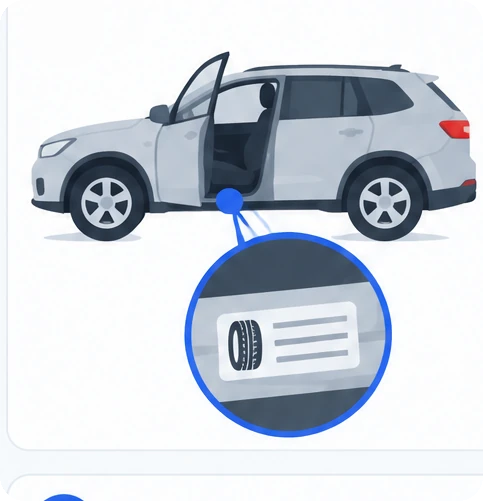
3008 III tyre pressures are printed on the label on the driver's-door sill.
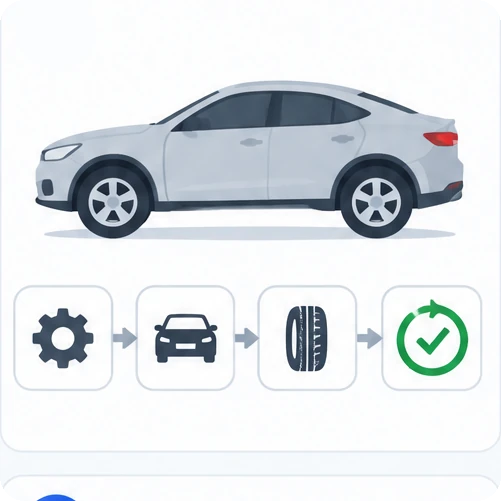
After setting the pressures to the label, confirm Reinitialize under Settings / Vehicle settings / Tyre pressure.

Quick Reference

Scroll the table sideways.

SectionIn short
Tyre under-inflation detectionHow the system detects a drop in tyre pressure
Under-inflation alertWhat to do when the warning lamp comes on
ReinitialisationReset the system after adjusting pressures or changing wheels
MalfunctionSystem fault means tyre pressures are no longer monitored
Identification markingsWhere to find the VIN and tyre pressure label

Tyre under-inflation detection

The tyre under-inflation detection system alerts you if one or more tyres suffer a drop in pressure. The alert is raised only when the car is moving, not when it is stationary.

The system compares information from the wheel speed sensors with reference values. These reference values must be reinitialised every time you adjust the tyre pressures or change a wheel. The system uses the last values stored during reinitialisation, so the tyre pressures must be correct when you do it. Reinitialising is your responsibility as the driver.

The system never replaces your own vigilance, and you still need to check the tyre pressures regularly, including the spare wheel, especially before a long journey. Driving with under-inflated tyres, particularly with a heavy load, at high speed or on a long journey:

  • Worsens road-holding.
  • Lengthens braking distances.
  • Causes premature wear of the tyres.
  • Increases energy consumption.

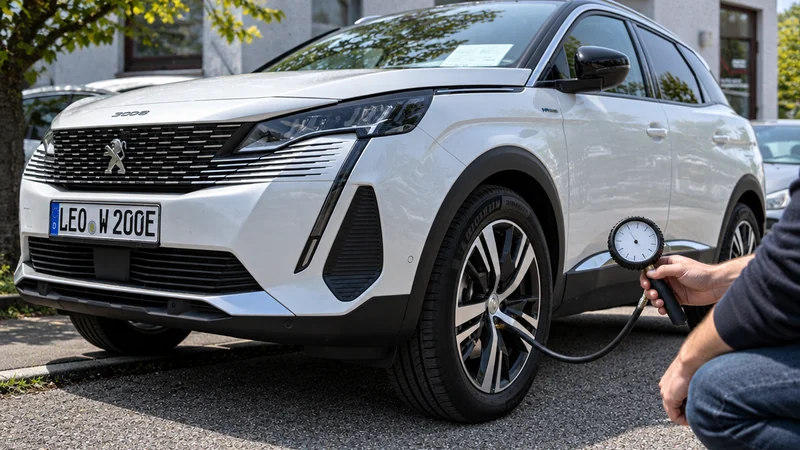
Checking tyre pressures: check them monthly when the tyres are "cold", meaning the car has been stopped for 1 hour or has done a journey of less than 6 miles (10 km) at moderate speeds. If the tyres are not cold, add 0.3 bar to the pressures shown on the label.

You will find the inflation pressures for your car on the tyre pressure label, described in the Identification markings section below. You do not need to reinitialise the system after fitting or removing snow chains.

Under-inflation alert

The under-inflation alert is shown by the warning lamp staying on, with an audible signal and, depending on equipment, a message on the screen.

  1. Slow down: reduce speed immediately, avoid excessive steering movements and avoid sudden braking.
  2. Stop: stop the car as soon as it is safe to do so.
  3. Check the pressures: using a compressor, such as the one in the temporary puncture repair kit, check the pressures of all four tyres when cold.
  4. If you cannot check straight away: drive carefully at reduced speed.
  5. If you have a puncture: use the temporary puncture repair kit or the spare wheel, depending on equipment.

A loss of pressure does not always cause visible deformation of the tyre, so do not rely on a visual check alone.

Keep in mind how the system responds:

  • Driving too slowly may not ensure optimum monitoring.
  • The alert is not triggered immediately after a sudden loss of pressure or a tyre blow-out, because analysing the values from the wheel speed sensors can take several minutes.
  • The alert may be delayed at speeds below 25 mph (40 km/h), or if you drive dynamically.

The alert stays active until you reinitialise the system.

Reinitialisation

You must reinitialise the system after adjusting the pressure of one or more tyres, and after changing one or more wheels.

Before you start, check the pressures of all four tyres. They must suit the conditions you are using the car in and match the values on the tyre pressure label. The system does not tell you if a pressure is incorrect when you reinitialise it.

  1. Stop the car: the car must be stationary.
  2. Open the settings: go to the Settings>Vehicle application on the touch screen.
  3. Find the menu: select Safety > Tire Pressure Setup.
  4. Confirm: press YES.

A message and an audible signal confirm that the reinitialisation is complete.

Malfunction

If the system has a malfunction, its warning lamps come on in the instrument panel, with a message and an audible signal. Tyre under-inflation monitoring is then no longer carried out, so have the system checked by a PEUGEOT dealer or a qualified workshop.

Non-standard or 'space-saver' spare wheel: using this type of spare wheel may suspend tyre pressure monitoring. The malfunction warning lamp comes on and goes off once the wheel has been replaced by one of the same size as the others, the pressure has been readjusted and the system has been reinitialised.

Identification markings

Your 3008 carries several visible markings for identifying the vehicle.

Scroll the table sideways.

MarkingLocationDetails
A. Vehicle Identification Number (VIN)Under the bonnetStamped on the chassis
B. Vehicle Identification Number (VIN)On the dashboardPrinted on an adhesive label visible through the windscreen
C. Manufacturer's labelRight-hand doorManufacturer and weight information
D. Tyres/paint code labelDriver's doorTyre information and paint colour code

The manufacturer's label shows:

  • Manufacturer's name.
  • European whole vehicle type approval number.
  • Vehicle Identification Number (VIN).
  • Gross vehicle weight (GVW).
  • Gross train weight (GTW).
  • Maximum weight on the front axle.
  • Maximum weight on the rear axle.

The tyres/paint code label shows the paint colour code and this tyre information:

  • Tyre pressures, unladen and laden.
  • Tyre specification: dimensions and type, plus the load and speed indices.
  • Spare tyre inflation pressure.

Your car may have been fitted from new with tyres that have higher load and speed indices than those on the label. This does not change the tyre pressure (on cold tyres). If you change the type of tyres, contact a PEUGEOT dealer for the tyre fits approved for your car.

Frequently Asked Questions

Why has the tyre pressure warning light come on in my Peugeot 3008?

If the lamp stays on with an audible signal, the system has detected a drop in pressure in one or more tyres. Slow down, stop when it is safe and check all four tyres when cold.

How do I reset the tyre pressure warning on a Peugeot 3008?

With the car stationary, go to Settings>Vehicle on the touch screen, select Safety > Tire Pressure Setup and press YES. Check that all four tyre pressures are correct first.

Where is the tyre pressure label on the Peugeot 3008?

The tyres/paint code label is on the driver's door. It shows the unladen and laden pressures and the spare tyre inflation pressure.

Do I need to reset the tyre pressure system after fitting snow chains?

No. the system does not have to be reinitialised after fitting or removing snow chains.

The under-inflation detection system is a useful safety aid, but it does not replace your own checks. Check your tyres monthly when cold, reinitialise the system every time you adjust a pressure or change a wheel, and keep this guide handy for when the warning lamp comes on.

More Peugeot 3008 Guides

To find out what the other lamps on your instrument panel mean, see our guides to the Peugeot 3008 red warning lights, the Peugeot 3008 orange warning lights and the Peugeot 3008 green and blue indicator lamps.

Don't forget to follow us on Instagram for more Peugeot guides!

This is an independent guide, not an official Peugeot publication. If in doubt, contact a PEUGEOT dealer or a qualified workshop before carrying out any work.

Related guides: Peugeot 3008 model guides; Peugeot 3008 iii 2024 2025 flat tyre and repair kit.

Cover adapted from a photograph by Harvey Bold — Wikimedia Commons, CC BY 4.0 (AI edited).
Related guides

Guide ·

Peugeot 3008 Technical Specifications (2016-present)

Hello and welcome. In this article we look at the technical specifications of the Peugeot 3008 II (2016-present). We will cover engine figures, towed loads, hybrid motor and battery details, and where