Peugeot 2008 Review 2026: The Ultimate Small SUV Guide
Peugeot 2008 review: model history, cabin and i-Cockpit, 434-litre boot, PureTech and e-2008 options, common faults, Euro NCAP result and key equipment.
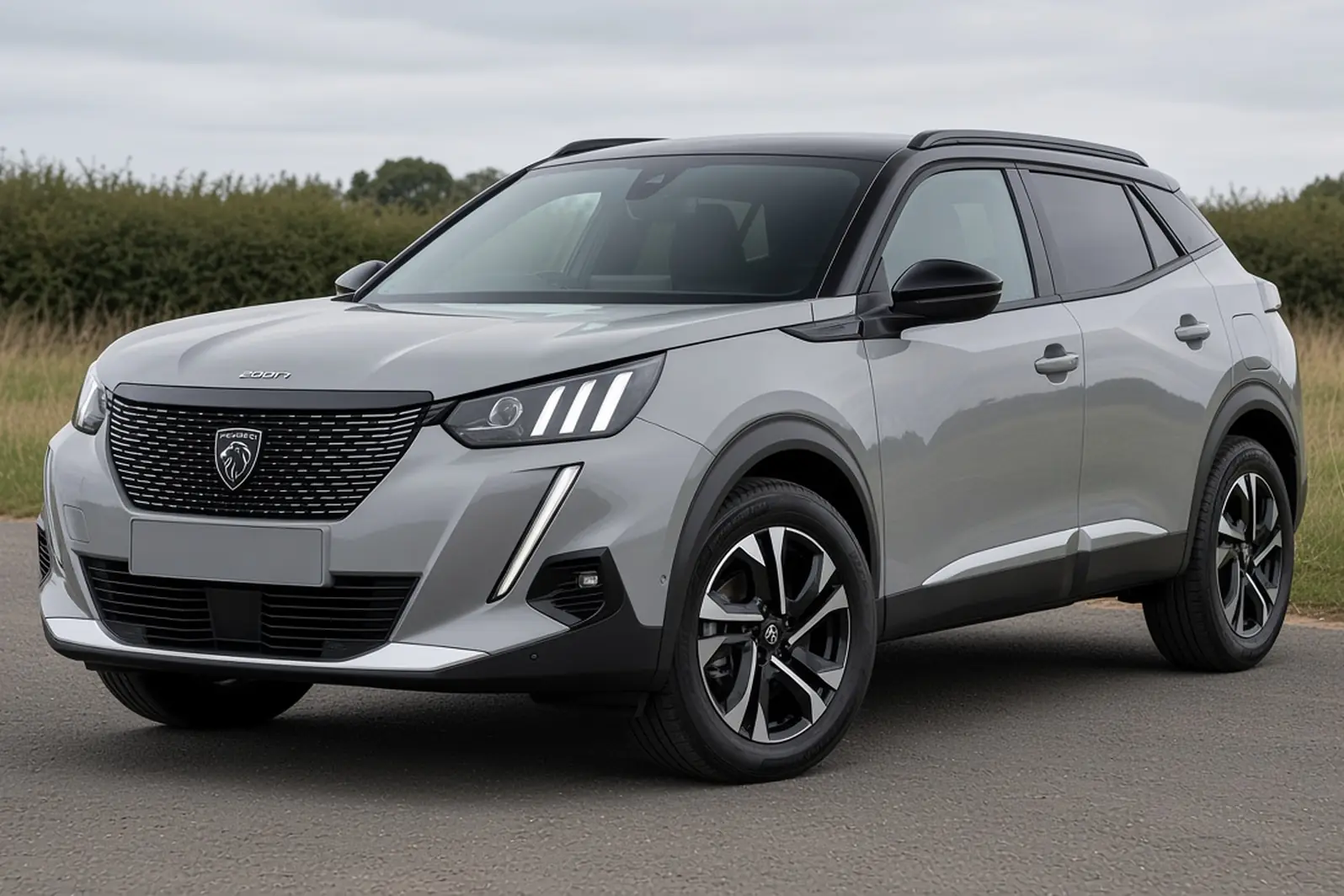
Please note: this guide is based on 2024 model-year information, including the 2024 facelift. Engines, trim names and equipment have been revised since, so double-check current specifications before you buy.
The 2008 is Peugeot's entry ticket to the SUV world and one of the brand's best sellers. It goes up against the likes of the Ford Puma, Renault Captur, Volkswagen T-Roc and Nissan Juke, and it brings the same eye-catching design and driver-focused cabin as the bigger 3008. Here's everything you need to know, from how the model has evolved to which versions to look at.
Pros and Cons at a Glance
What we like - Bold styling that still turns heads after the 2024 facelift - Upmarket cabin with carbon-effect trim and quality materials - Usable 434-litre boot and pushchair-friendly practicality - Wide choice of petrol, diesel and fully electric (e-2008) versions
What we don't - Thick rear pillars hamper over-the-shoulder visibility - Climate controls buried in the touchscreen on many versions - Rear seat is fine for children but tighter for adults on long trips - The small steering wheel can obscure the instruments for some drivers
A Quick History of the 2008
Scroll the table sideways.
| Year | Milestone |
|---|---|
| 2013 | First-generation 2008 launched |
| 2016 | Light facelift for the first generation |
| 2019 | All-new second-generation 2008 arrives |
| 2024 | Second facelift with a sharper front end |
The jump from the first to the second generation was dramatic: the original was a tall, softly styled crossover, while today's car is lower, sharper and far more distinctive.
Design: Inside and Out
The front end is dominated by a wide, upright grille, LED headlights and claw-style daytime running lights, and the 2024 facelift made it even more striking. Creases on the bonnet and long, flowing lines along the sides give it a sporty look, while black plastic wheel-arch trims underline its SUV credentials. At the back you'll find Peugeot's signature lion-claw LED tail lights and a high-set, easy-to-open tailgate. Some versions get twin exhaust finishers and a rear diffuser, though on some models these are more for show than function.
One practical downside of the styling: the wide C-pillars create a sizeable blind spot, which you'll notice when parking or pulling out of angled junctions. A reversing camera helps a lot.
A wide range of paint colours is available, so you can personalise your 2008 to suit your taste. Colour options vary by country.
The cabin
The 2008 uses Peugeot's i-Cockpit layout, with a small steering wheel and a raised instrument panel you view over the rim. I'll admit I'm biased: I love this steering wheel and its sporty feel, and I've yet to meet anyone around me who tried it and didn't like it. But if you're new to Peugeot, it may feel small at first, and depending on your seating position the rim can hide the top of the instruments, so try it before you buy.
Quality is a cut above the class average: soft-touch plastics, metallic accents, optional leather and the carbon-effect detailing seen on all of Peugeot's latest models. GT versions add neon-style contrast stitching that really lifts the interior.
The touchscreen measures 10 inches on GT models and 7 inches on Active and Allure trims. It's clear and easy to use, but I'd prefer physical buttons for the climate control: adjusting the temperature through several menu steps on the screen isn't ideal while driving.
Ambient lighting (on GT only) adds a pleasant glow at night, with a choice of eight colours. Sound insulation is good both in town and on the motorway.
Space and Practicality
I see the 2008 as an entry-level family car: if your family isn't too big, it'll cover most needs comfortably. The front seats are roomy and supportive, with enough adjustment for different body types. In the back there's adequate knee and head room, but adults may feel a bit cramped on long journeys.
It's a good choice for young families, though. A pushchair fits easily, as you can see below.
According to Peugeot's catalogue the boot holds 434 litres, above average for the class. The rear seats split one-third/two-thirds and fold for bulky items, some versions have a height-adjustable boot floor, and optional roof rails let you carry bikes and other large items. The tailgate opens high, making loading and unloading easy.
Around the cabin there are plenty of handy storage areas: door bins, a glasses compartment, a central armrest cubby, seatback pockets and rear door pockets for passengers in the back.
Engines and Driving
The 2008 has been offered with petrol, diesel and fully electric power. Most petrol versions use the familiar 1.2 PureTech three-cylinder turbo; the diesel suits drivers who cover long distances, and the electric e-2008 delivers silent, zero-emission driving with instant torque. If you're considering a PureTech, read up on the engine's history first: our Peugeot 2008 engine and performance review covers the details.
On the road the 2008 feels balanced and stable in town and on the open road. The suspension soaks up most bumps and the steering is accurate, though on poor surfaces the ride can feel a little firm. Those wanting a truly sporty drive may find the engine choices limited, but for everyday use it's an easy, enjoyable car to drive. The EAT8 automatic is smooth and efficient, and most owners are happy with it.
Fuel economy
Peugeot's WLTP figure for the petrol versions is around 6 l/100 km combined. In real-world driving, expect something in the 7-8 l/100 km range depending on how and where you drive.
Common Problems
Overall, owners and reviewers rate the 2008's reliability positively, and improvements on newer cars seem to have reduced problems. Issues reported on recent facelifted Peugeots include:
- The infotainment touchscreen freezing
- The air-conditioning on/off button not responding
- Known 1.2 PureTech engine issues on petrol versions
If a warning light appears, our guides to Peugeot 2008 red warnings and orange warnings explain what each symbol means.
Safety
The second-generation 2008 scored four stars when Euro NCAP tested it in 2019.
Standard safety kit includes ESP and traction control, hill start assist, six airbags (front, side and curtain), ISOFIX on the outer rear seats, front and rear seatbelt reminders, hazard lights that flash automatically under hard braking, automatic door locking on the move, and eCall emergency calling. Driver assistance, depending on trim, includes:
- Cruise control and speed limiter, or adaptive cruise with Stop & Go
- Driver attention alert
- Active lane keeping and lane positioning assist
- Automatic emergency braking (camera, or camera plus radar on higher trims)
- Extended traffic sign recognition
- Automatic high beam
- Blind-spot monitoring with warning lights in the door mirrors
Equipment Highlights (2024)
Technology: 10-inch 3D digital instrument panel, 3D navigation, wireless phone charging, a front camera and full LED headlights with automatic levelling.
Comfort: fully automatic climate control, a reach- and height-adjustable leather steering wheel, a height-adjustable driver's seat, one-touch electric windows with anti-trap, i-Dome LED interior lighting, a frameless rear-view mirror, illuminated sun visors and an opening glass sunroof with blind.
Style (GT): Black Diamond gloss-black roof, A-pillars and mirrors, aluminium sill plates and sports pedals, GT side badging, 18-inch Evissa alloys, twin chrome exhaust finishers and part-leather upholstery with Adamite green stitching.
Should You Buy One?
If you want a compact SUV that's practical for everyday life but still feels special, the Peugeot 2008 is a strong choice. It isn't the cheapest in its class, but the design, cabin quality and driving experience justify the price for many buyers. My view: if you're after an entry-level family car with real style, it's well worth buying.
New to the 2008's dashboard? See our guide to Peugeot 2008 blue and green warning lamps.
Related guides
The second-generation Peugeot 2008 has always been a small SUV built around small engines. That's good news for running costs, but it means choosing the right engine matters more than it does in a bigger car. This guide...
If you want a Peugeot 2008 but don't want a conventional petrol or diesel, there are two routes: the fully electric e-2008 and the 2008 Hybrid 136, a petrol car with 48-volt electric assistance. They suit very...