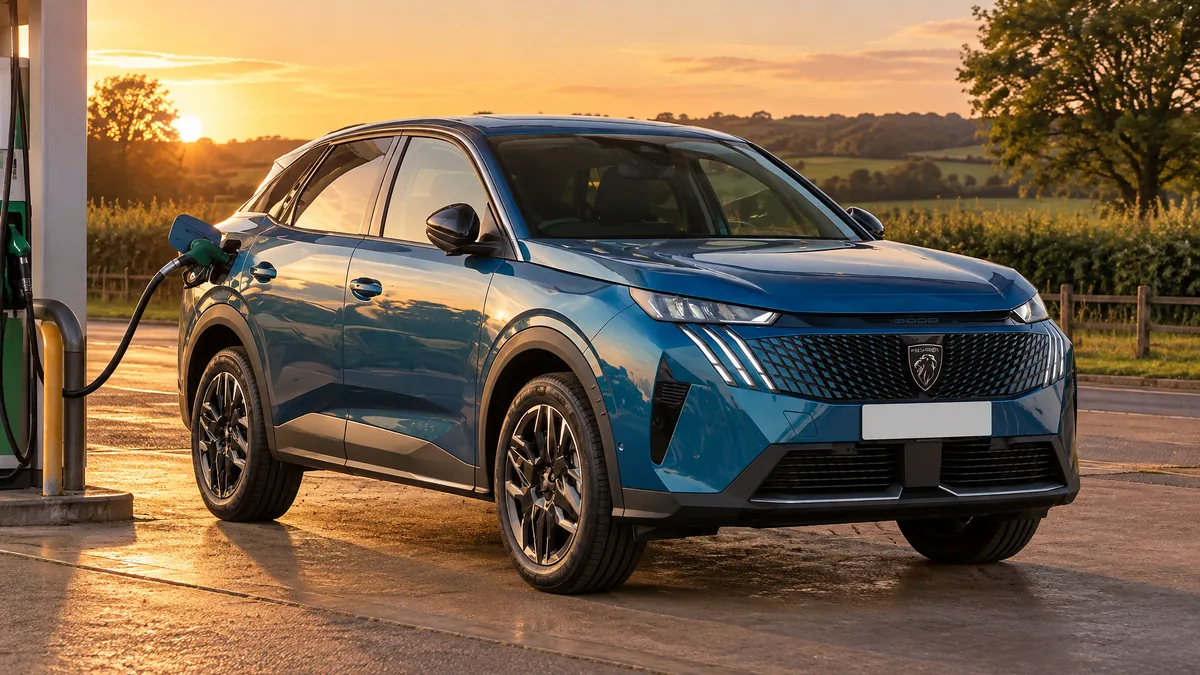
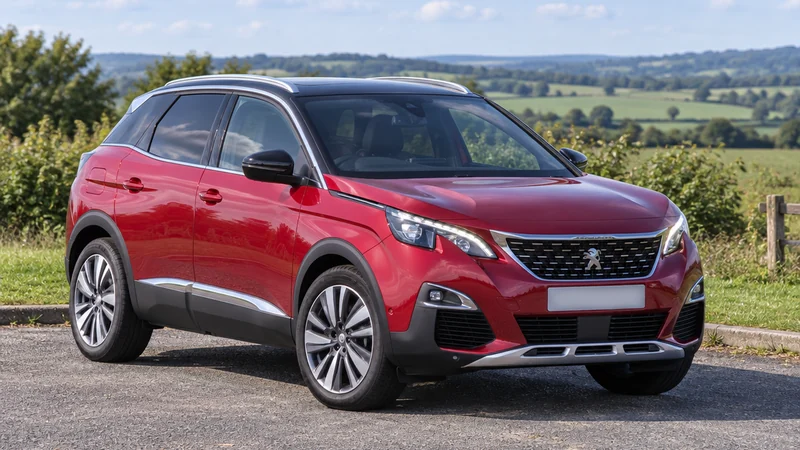
Always add at least 10 litres of fuel, otherwise the fuel gauge will not register it. When you open the filler flap, you may hear a noise as air rushes in. This is entirely normal and comes from the sealing of the fuel system.
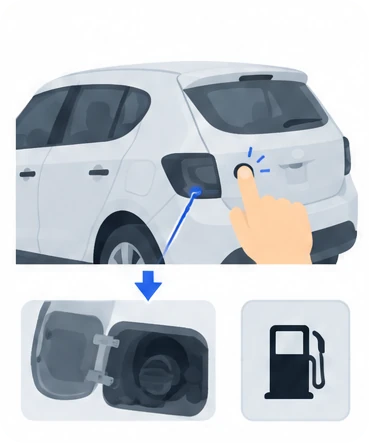
To open the filler flap:
- Switch off: always switch off the engine.
- Rechargeable hybrid, unlock the flap: press the flap unlocking button on the dashboard.
- Rechargeable hybrid, open the flap: press the rear of the filler flap.
- Other versions: with the car unlocked, press the rear of the filler flap to open it.
On Rechargeable hybrid models, the filler flap may not open for several minutes after you press the dashboard button. If the flap gets stuck, press and hold the button on the dashboard for more than 3 seconds.
To fill the tank:
- Choose the pump: select a pump that delivers the correct fuel type for your engine. A reminder label is on the inside of the filler flap.
- Remove the cap: turn the filler cap to the left, take it off and place it on its support on the filler flap (depending on version).
- Insert the nozzle: push the filler nozzle in as far as it will go before you start, to reduce the risk of splashing.
- Fill up: fill the tank, but stop after the nozzle's third cut-out. Carrying on can cause malfunctions.
- Refit the cap: put the filler cap back and turn it to the right (depending on version).
- Close the flap: push the fuel filler flap to close it.
Your car has a catalytic converter, which helps to reduce harmful emissions in the exhaust gases. Petrol engines must use unleaded fuel, and the filler neck is narrower so that only unleaded petrol nozzles fit.
If you have put the wrong fuel in your car, do not start the engine. Have the fuel tank drained and filled with the correct fuel first.
Frequently Asked Questions
How much fuel is left when the Peugeot 3008 low fuel light comes on?
When the low fuel warning lamp first comes on, about 6 litres of fuel remain. Refuel as soon as possible to avoid running out.
Which side is the fuel filler flap on my Peugeot 3008?
Look at the low fuel warning lamp on the instrument panel. A small arrow next to it shows which side of the car the filler flap is on.
Why won't the fuel flap open on my Peugeot 3008 plug-in hybrid?
On Rechargeable hybrid models, the flap may not open for several minutes after you press the button on the dashboard. If it is stuck, press and hold the dashboard button for more than 3 seconds.
What should I do if I put the wrong fuel in my Peugeot 3008?
Do not start the engine. Have the fuel tank drained and filled with the correct fuel before you start the car.
Refuelling your Peugeot 3008 is simple once you know where the flap is and how it opens on your version. Keep an eye on the low fuel warning, always switch off the ignition before you fill up, and check the label inside the flap so you choose the right fuel every time.
More Peugeot 3008 Guides
To understand the other lamps on your instrument panel, see our guides to the Peugeot 3008 red warning lights, the Peugeot 3008 orange warning lights and the Peugeot 3008 green and blue indicator lamps.
Don't forget to follow us on Instagram for more Peugeot guides!
This is an independent guide, not an official Peugeot publication. If in doubt, contact a PEUGEOT dealer or a qualified workshop before carrying out any work.
Related guides: Peugeot 3008 model guides.
Cover adapted from a photograph by Harvey Bold — Wikimedia Commons, CC BY 4.0 (AI edited).