Peugeot 508 Engine and Performance Review
Peugeot 508 Fastback and SW engines explained, from the PureTech 130 and BlueHDi 130 to the hybrids, with official power, towing and economy data.
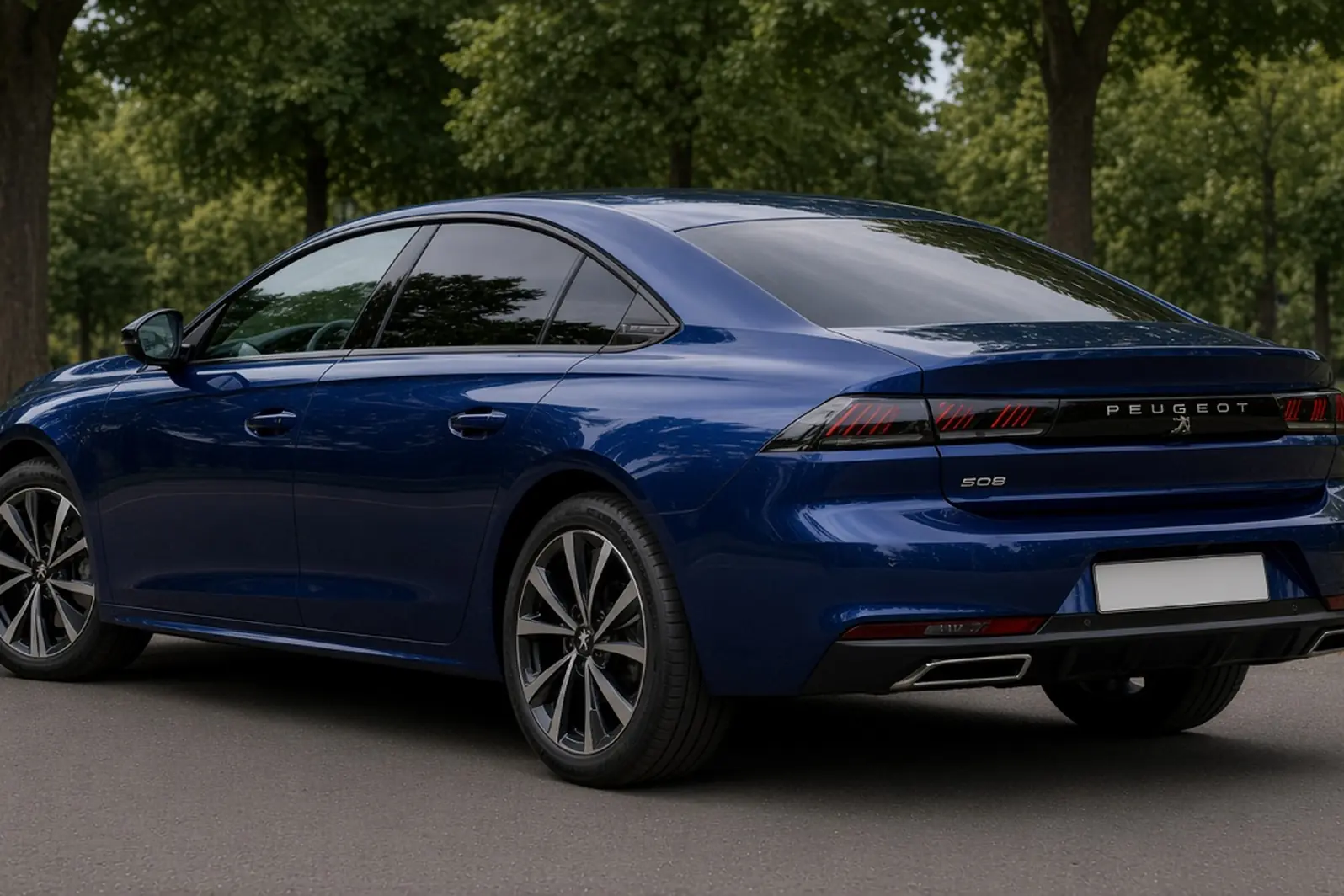
The second-generation Peugeot 508, sold as a Fastback (the handbook calls it a saloon) and an SW estate, was Peugeot's flagship for most of its life. Unlike many of its rivals, it never offered a big six-cylinder engine. Every version uses either a small turbocharged engine or a plug-in hybrid system. This guide covers the petrol and diesel engines in detail; for the two hybrids, see our Peugeot 508 plug-in hybrid engine review.
The Full Line-Up
From the "Engines and towed loads" pages of the English Peugeot 508 owner's handbook:
Scroll the table sideways.
| Version | Gearbox | Capacity | Max power (EC) | Braked trailer, Fastback / SW | Nose weight |
|---|---|---|---|---|---|
| PureTech 130 S&S EAT8 | 8-speed automatic | 1,199 cc | 96 kW | 1,340 / 1,330 kg | 70 kg |
| PureTech 215 EAT8 | 8-speed automatic | 1,598 cc | 158 kW | 600 / 600 kg | 75 kg |
| BlueHDi 130 S&S EAT8 | 8-speed automatic | 1,499 cc | 96 kW | 1,470 / 1,450 kg | 70 kg |
| Hybrid 180 e-EAT8 | 8-speed electric automatic | 1,598 cc + 81 kW motor | 133 kW combined | 1,320 / 1,300 kg | 70 kg |
| Hybrid 225 e-EAT8 | 8-speed electric automatic | 1,598 cc + 81 kW motor | 165 kW combined | 1,320 / 1,300 kg | 70 kg |
| PSE Hybrid4 360 e-EAT8 (AWD) | 8-speed electric automatic | 1,598 cc + front and rear motors | 265 kW combined | 1,280 / 1,260 kg | 70 kg |
Every 508 is an automatic, and the BlueHDi diesel is the best tow car in the range.
PureTech 130 vs BlueHDi 130
The two engines most buyers chose look almost identical on paper, with 130 hp each and the same EAT8 gearbox. They feel quite different on the road, though.
Peugeot brochure figures:
Scroll the table sideways.
| PureTech 130 EAT8 (petrol) | BlueHDi 130 EAT8 (diesel) | |
|---|---|---|
| Cylinders | 3 | 4 in-line |
| Capacity | 1,199 cc | 1,499 cc |
| Power | 131 hp (96 kW) at 5,500 rpm | 130 hp at 3,750 rpm |
| Torque | 230 Nm (170 lb ft) at 1,750 rpm | 300 Nm at 1,750 rpm |
| WLTP combined fuel use | 5.6-6.6 l/100 km | 5.1 l/100 km |
| WLTP low / medium / high speed | 7.4-8.1 / 5.9-6.7 / 4.9-5.8 l/100 km | 6.3 / 5.3 / 4.4 l/100 km |
The diesel: the long-distance choice
With an extra 70 Nm of torque, the BlueHDi pulls more strongly when you're overtaking or carrying a full load. It's also noticeably more economical at motorway speeds. According to Peugeot's brochure data, the diesel 508 reaches 0-62 mph in 11.1 seconds and has a top speed of 208 km/h (about 129 mph). It meets the Euro 6 emissions standard with the help of AdBlue. If you cover high mileages, or you tow, this is the 508 to buy.
The petrol: the refined choice
The PureTech 130 is smoother and quieter at low speeds and suits drivers who do more urban and mixed driving. It's the same 1.2-litre three-cylinder used elsewhere in the Peugeot range, so the usual PureTech advice applies (see below).
Dimensions and Weights (BlueHDi 130 Fastback)
Peugeot brochure figures:
Scroll the table sideways.
| Length / width / height | 4,750 / 1,859 / 1,403 mm |
| Wheelbase | 2,793 mm |
| Front / rear track | 1,601 / 1,597 mm |
| Kerb weight | 1,482 kg |
| Gross vehicle weight | 2,030 kg |
| Boot (seats up / seats folded) | 487 / 1,537 litres |
| Fuel tank | 55 litres |
What About the PureTech 215?
The handbook also lists a 1.6-litre PureTech 215 petrol (158 kW), which was offered only in some markets. It's the quickest non-hybrid 508, but it's limited to 600 kg of towing.
Looking After the Engine
- PureTech 130: use only the oil specification in your handbook, keep to service intervals, and check the oil level between services. The 1.2 PureTech is sensitive to neglect.
- BlueHDi 130: keep the AdBlue topped up, and give the car a regular longer run so the particulate filter can regenerate. Lots of short trips are hard on any modern diesel.
If a warning light comes on, check our guides to 508 red warning lights and orange warning lights.
The Bottom Line
The BlueHDi 130 is the 508's best all-rounder for long-distance drivers and anyone who tows. The PureTech 130 is the better fit for lower mileages. For performance and low company-car tax, look at the 508 plug-in hybrids.
For design, interior, equipment and safety, read our Peugeot 508 review.
Related guides
For much of its life, the plug-in hybrid was the Peugeot 508 that made the most sense in the UK, at least for company-car drivers. Low official CO2 figures kept benefit-in-kind tax down, and the electric motor makes the...
In the 508, the instrument panel and the 10-inch touchscreen work together. The trip computer data sits in front of you, while apps such as Energy live on the central screen. This guide explains how to check your trip...
The Peugeot 508's instrument panel constantly reports on the car's health: when the next service is due, whether the oil level is right, how hot the engine is and, on BlueHDi diesels, how far you can go before the...